
Duty of Care
A young workforce that travels with its whole life on its phone
A policy that does not understand how its people travel protects no one. It only records that it existed.
Read the full caseWhen someone calls on a Saturday from a closed airport
Almost every organisation settles its duty of care with a policy and travel insurance. That works until someone calls on a Saturday from a closed airport or from a hotel where something unexpected has happened. At that point the question is no longer what the policy says, but who decides, who to call and what the company knows about that person in the first hour in order to help them.
And this is not only about executives: it covers anyone, employee or not, who travels on the organisation's behalf. Insurance compensates after the incident, but it neither prevents it nor shows what the organisation did before the trip.
We build the programme on what the organisation already has (the insurance, the travel agency, Human Resources) and work on what is missing: authorisation criteria proportionate to the risk at the destination, the minimum information that must be on record before departure, a response that someone outside security can follow, training for those who travel and for those who authorise the trips, and support for the person at the destination and on their return, if something has happened. The programme is sized to the organisation and to its travel profile, and it also covers contractors, domestic trips and business trips extended with a few days of holiday. We use ISO 31030 as the reference for aligning each organisation's programme.
An organisation that knows what to do when the phone rings and can show afterwards that it acted with due diligence, without turning every trip into red tape, and employees who feel properly supported by their organisation.
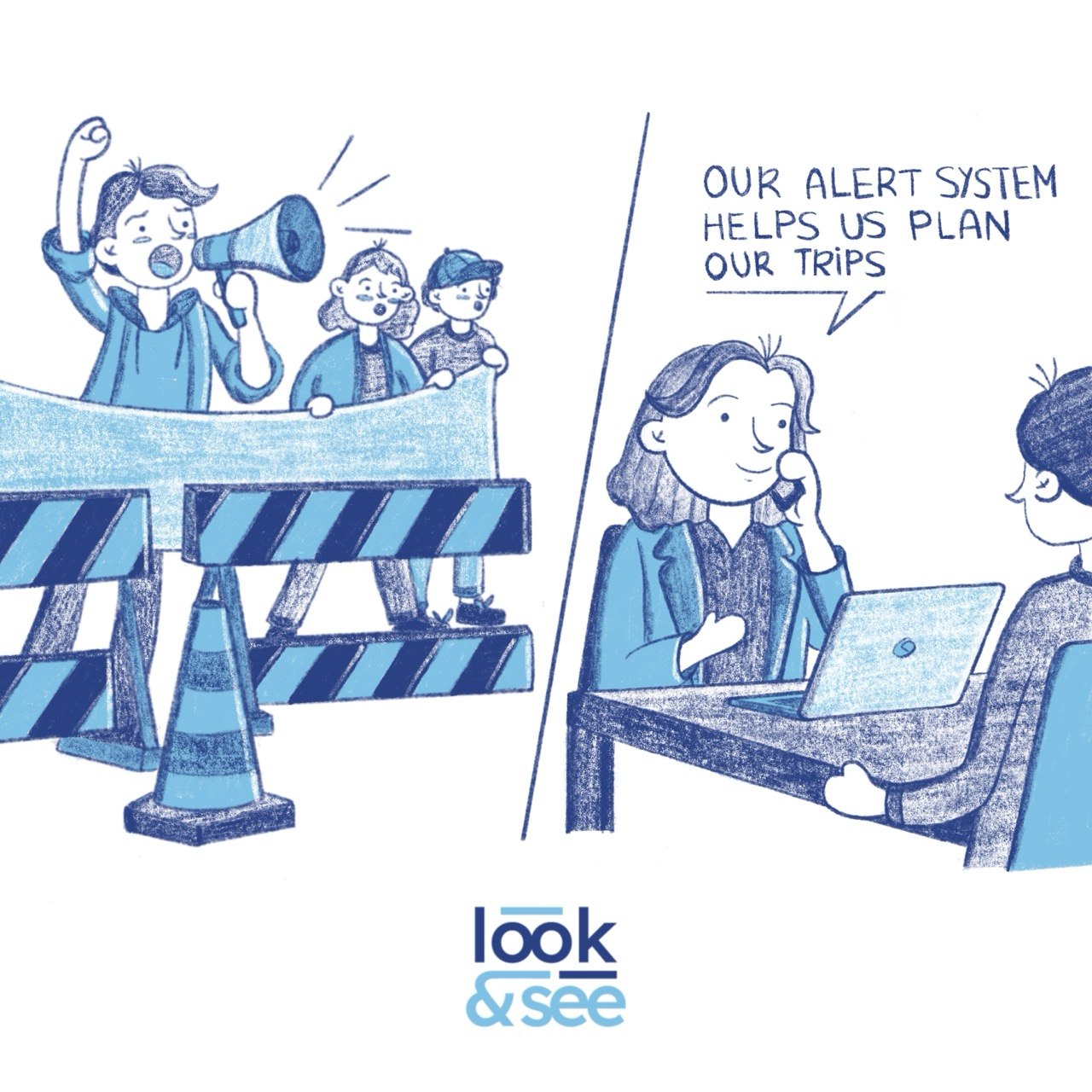
A duty of care programme that is properly implemented and easy for every employee to use makes it possible to anticipate the risks of a trip and re-plan it in time.
A policy that does not understand how its people travel protects no one. It only records that it existed.
Read the full caseIn Spain and the European Union, no law requires a programme by that name. What is mandatory is the general duty to protect the people who work for you, including when they travel. The programme is how you meet that duty and show that you did. ISO 31030 is a reference, not an obligation.
Insurance compensates after the incident, but it neither prevents it nor shows what the organisation did before the trip. Nor does it say who decides or who to call in the first hour.
Yes. The risk is set by the travel profile, not by headcount. The programme is sized to your organisation, and if nobody can keep it running, that is what our ongoing security counsel is for.
Tell us about the situation as you see it. Half an hour of conversation usually helps more than a document, and it tells us whether we can add something useful.