
Workplace Violence Prevention
A shopping centre store with repeated assaults and no budget for a security guard
It is not enough for the team to hear that their safety matters. They need to see it and feel it.
Read the full caseWhen your store team starts working in fear
Teams who deal face to face with the public put up with verbal abuse, threats and, at times, assaults. When there is no programme behind them, each person finds their own way to stay safe, or simply leaves. Sick leave, staff turnover and a very conditional commitment end up as part of daily life and of operations. And the customer experience inevitably suffers.
We design the full programme with the store team, Human Resources and health and safety. We analyse the factors that make incidents worse, train teams to read the early signals and de-escalate, and leave in place the self-protection measures, the reporting lines and a post-incident protocol that supports the person affected.
Teams who know what to do before, during and after an incident, and an organisation that can show it protects the people on the front line. Looking after your teams is looking after your customers. We have presented this work at the AECOC Loss Prevention Congress and in the Spanish security magazine Cuadernos de Seguridad.
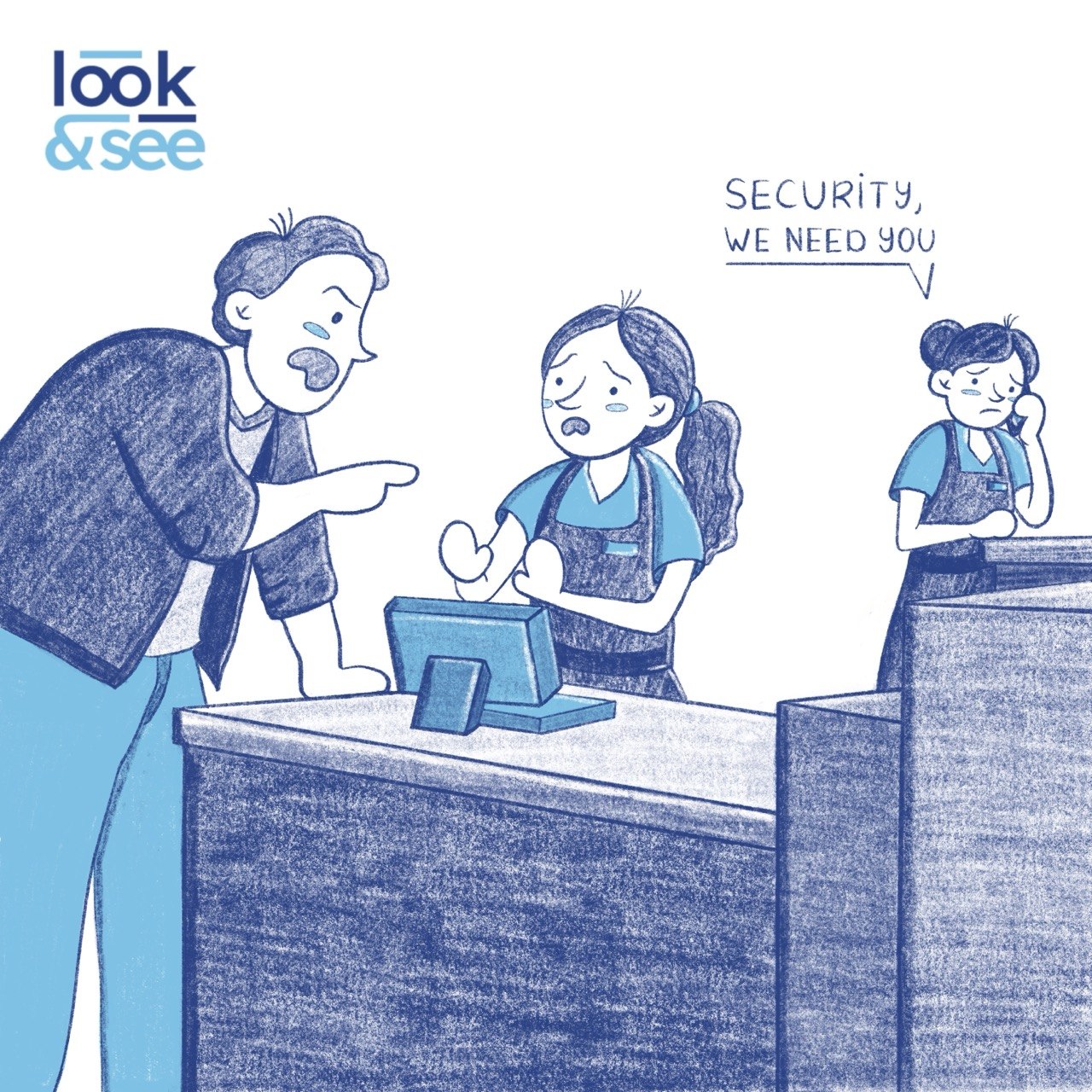
Verbal and even physical violence is part of everyday life in public-facing roles. Putting procedures in place and providing ongoing training to protect teams is vital.
It is not enough for the team to hear that their safety matters. They need to see it and feel it.
Read the full caseFor teams who deal face to face with the public, in shops and in other sectors, and put up with verbal abuse, threats or assaults.
Yes. In a shop with the same problem we used a guard on the critical days and hours only. We added CCTV installed with the team's protection in mind, conflict resolution training and other measures designed for that shop.
An analysis of the factors that make incidents worse, and training to read the early signals and de-escalate. Also self-protection measures, reporting lines and a post-incident protocol that supports the person affected.
Tell us about the situation as you see it. Half an hour of conversation usually helps more than a document, and it tells us whether we can add something useful.