
Retail Loss Prevention
A store with fifty per cent more cash refunds than its neighbours
You have all the data. You only need to look at it.
Read the full caseWhen shrinkage becomes acceptable and normal
Unknown loss is treated as part of the business, and internal theft, external theft and administrative errors are discussed as if they were perfectly normal. Shrinkage accepted as inevitable, returns that nobody reconciles and an online channel growing faster than its controls. Behind every percentage point there are thousands of euros coming straight off the bottom line.
We measure where the loss really happens, separate internal, external and process loss, and build the plan with the store, operations and ecommerce teams, prioritising what can be sustained with the resources already in place.
A level of loss that is acknowledged and measured professionally across the organisation, proportionate controls and a team that knows what to look at every week, which indicators matter and what to do about them. We come from years of security and loss prevention in retail, and we have led this process in many settings.
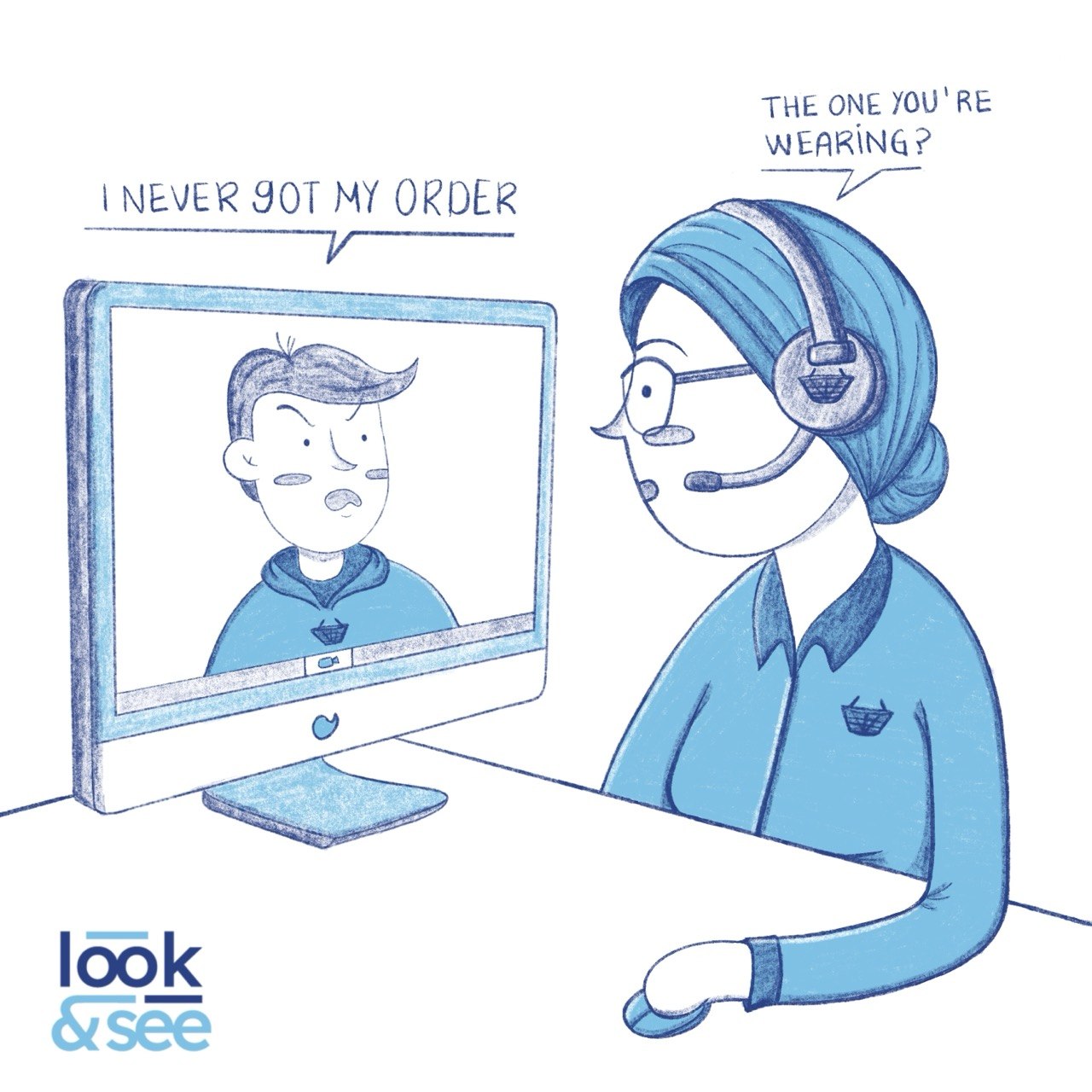
Online retail fraud is not the preserve of habitual offenders.
You have all the data. You only need to look at it.
Read the full caseIt is the difference between the stock there should be and the stock there is, with no identified cause. It usually mixes internal theft, external theft and administrative errors, so the most important step is to identify each factor.
Yes. We build the plan with the store, operations and ecommerce teams, because the online channel tends to grow very quickly and brings new kinds of fraud.
Not necessarily. We start by measuring, and with what can be sustained with the resources already in place.
Tell us about the situation as you see it. Half an hour of conversation usually helps more than a document, and it tells us whether we can add something useful.